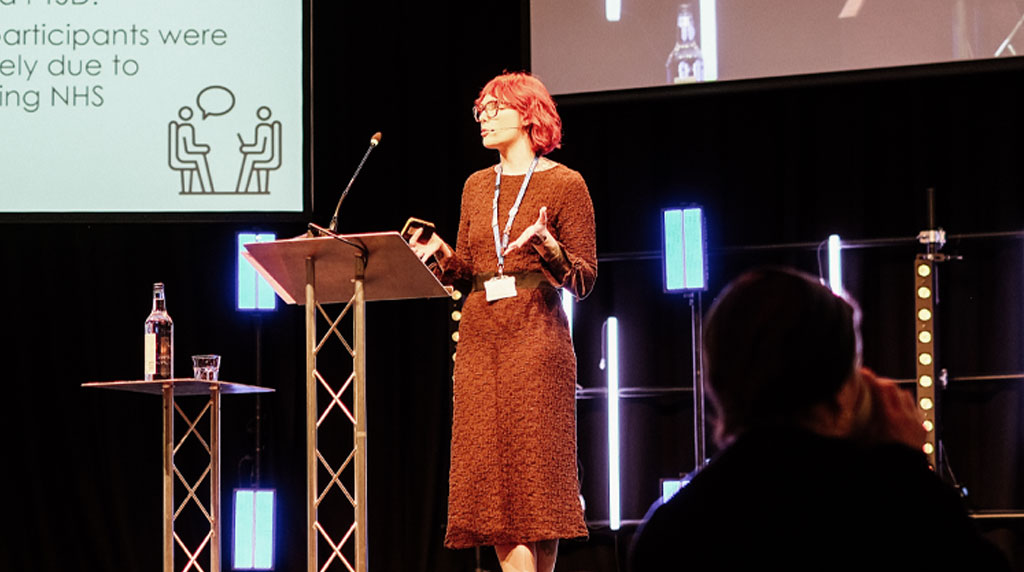
By Anna Scott (Clinical Support Worker)
It takes an average of 9.5 years to get a correct diagnosis of bipolar disorder in the UK. The overwhelming misunderstanding of what the condition involves can be a major hindrance for diagnosis. Despite being present in roughly 1 in 100 of us, many of us have a warped idea of bipolar as something where unstable people have random mood fluctuations in a very dramatic, weather-like fashion. The reality is so very different. What better time is there to learn some of the facts than ahead of World Bipolar Day on 30th March (which incidentally marks the birthday of Vincent van Gogh, who was thought to have had bipolar).
Bipolar is characterised by periods of depression, hypomania and/or mania. These mood states come in episodes. This means that there may also be periods in-between where people will have very few, or even no, symptoms. Each episode can last anything from several days, to several weeks or months.
Depression symptoms include feeling sad, hopeless or tearful most of the time, and a lack of interest in activities that were enjoyable before.
Mania is defined by an elevated, expansive and irritable mood that includes noticeable changes in energy and activity levels.
Hypomania is the stage between a balanced, happy mood and mania. Hypomania can look like a distinct period of unusual and persistent elevated mood.
During mania and depression, episodes can feature psychosis, which may require hospitalisation.
When someone is living with bipolar without support, or without the right support, they may do things they regret, both during manic and depressive episodes.
In an episode of Hypomania or Mania, someone may:
- Spend money and savings impulsively
- Avoid sleeping for days without feeling tired
- Misuse drugs and alcohol
- Make rash decisions that may have lasting consequences
- Show heightened sexual behavior that negatively affects family relationships
- Struggle to maintain employment or education
In a depressive episode, someone may:
- Not be able to maintain regular work or family commitments
- Not feel motivated to complete usual tasks
- Express hopelessness about the future and have a negative self image
- Struggle to look after basic hygienic and self care
- Try to end their life
Treatment can involve balancing medications, lifestyle factors (sleep can be particularly crucial) and a range of talking therapies. Ultimately, all of these elements are made easier by having a support network that has some understanding of what is going on.
Bipolar UK is an amazing resource to find out more about bipolar, its symptoms and the complexities of living with the disorder. If any of these symptoms ring true for you, or someone you know, why not visit Bipolar UK to use their mood tracker or take their bipolar test. If you think this might apply to you, why not mention it to your GP?
Speaking from experience, it is so very possible to live a deeply meaningful, creative and hopeful life with bipolar disorder. So many of us have found a way to live that works both for us and our bipolar.
______________________________________________________
References
Bipolar UK. (12/03/2026). What is bipolar? https://www.bipolaruk.org/about-bipolar/what-is-bipolar/