By Danny Charters (Therapist)
As a therapist at Harmless, I inevitably spend a great deal of time thinking about suffering. People generally refer into our service due to forces in their lives (either internal, external or both) that are causing them distress. In therapy sessions, I work together with my clients to find ways of helping them cope with life’s emotional hardships. We do our best to understand these experiences and learn from what we discover. This is a huge and important part of the work that I love.
In the midst of this vital work, it can be easy to forget that there are other purposes to therapy aside from simply learning how to minimise or cope with suffering. Therapy also provides a valuable opportunity to explore what really matters to us as individuals and to consider what we might want from our lives. In the process of addressing the things that make us suffer, we may begin to discover the opposite – gaining insight into what has the capacity to bring us joy and fulfilment.
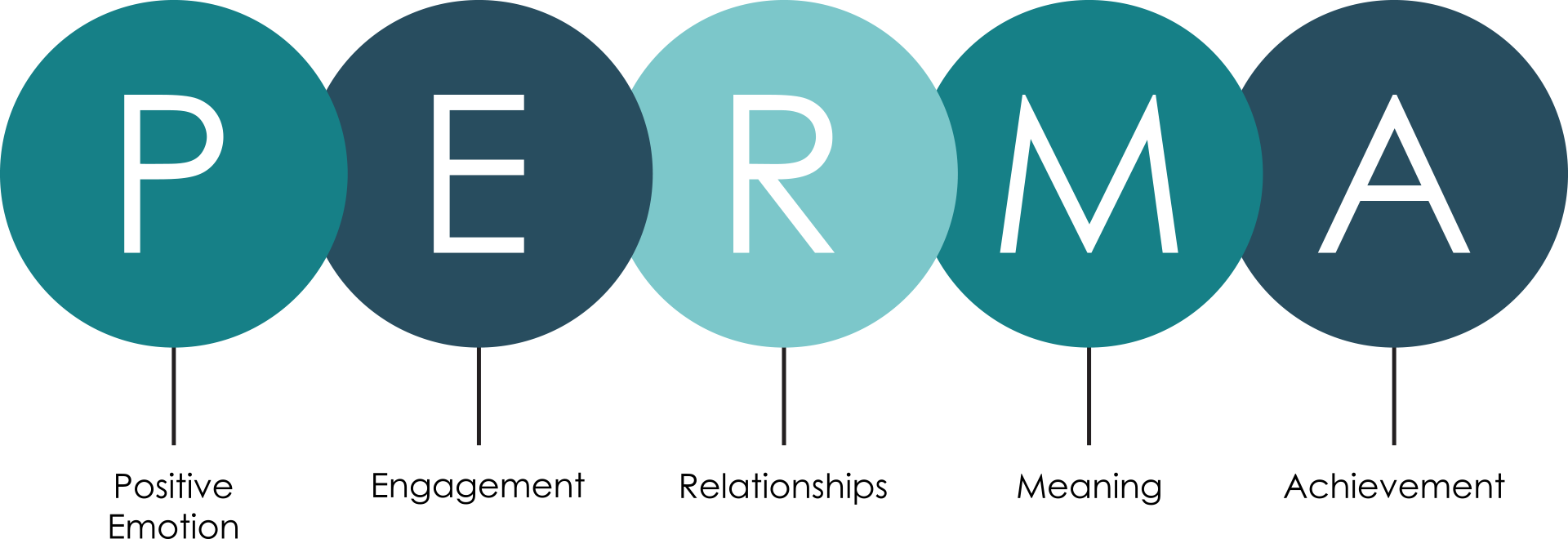
Research suggests that there are certain conditions we can cultivate that often lead to a more fulfilling experience of life. This field of study is known as Positive Psychology. For example, the PERMA model proposes that people tend to flourish when nurturing five key areas:
P – Positive emotions (elation, fun, excitement, love, etc.)
E – Engagement and mastery in learning and activities
R – Relationships
M – Meaning
A – Accomplishment
Each of these areas can be explored in depth and personalised so that they feel relevant to each individual. It is not a one-size-fits-all approach, but rather a flexible guide to wellbeing that can be adapted, explored and even challenged. If one area feels unattainable or less relevant at a given time, another can be prioritised instead. When approached thoughtfully, this model has the potential to offer hope and guidance.
At Harmless, I have always experienced a genuinely warm, hopeful and optimistic culture. While our therapy rooms are certainly a place for tears, there is also plenty of space for laughter and play. We often make time in sessions to acknowledge and celebrate what is going well in our lives – something that can be easy to overlook due to our natural negativity bias (the brain’s tendency to focus on problems and potential threats). More recently, we have also begun running our wonderful Choir for Hope, which captures this spirit beautifully. Collective singing can support all five areas of the PERMA model and serves as a powerful example of the kind of nurturing environments we can create together.
Ultimately, therapy is not only about reducing distress, but also about expanding our capacity to experience meaning, connection and joy. By gently turning our attention toward what helps us flourish, we can begin to build lives that feel not just manageable, but genuinely fulfilling.
References
Seligman, M.E.P. (2011) Flourish: A visionary new understanding of happiness and well-being. New York: Free Press.
Choir for Hope
Our Choir for Hope is a new supportive and creative space where people come together through singing to build connection, confidence and emotional wellbeing. Rooted in compassion, it helps reduce isolation, encourages self-expression and nurtures recovery. By sharing voices and experiences, participants find strength, belonging and hope within a safe, understanding community.