By Helen Birch (Training and Education Officer)
Suicide prevention cannot sit only within specialist mental health services.
New Government data, published in September 2026, gives us an important reason to think about how we equip the wider workforce to recognise distress, start conversations and respond safely.
What does the new data tell us?
Between 2022 and 2024, there were an average of 2,967 suicides each year among people aged 18 to 74 who had been referred to secondary mental health services. This represented 59% of all suicides in this age group.
But around 40% of people who died by suicide were outside this defined mental health population. This is important. It means suicide prevention cannot be the responsibility of specialist mental health services alone.
People experiencing suicidal thoughts may first speak to a:
- GP
- Teacher
- Housing worker
- Social worker
- Police officer
- Community worker
- Voluntary sector worker
- Employer or colleague
- Friend or family member
Sometimes, that conversation may be the first opportunity to recognise that someone is struggling.
Are all NHS staff trained in suicide prevention?
Not necessarily. Suicide prevention is not currently one of the nationally listed statutory and mandatory subjects in the NHS England Core Skills Training Framework. This does not mean suicide prevention training is not available in the NHS. NHS England has introduced suicide prevention training for mental health staff, which is an important step forward.
But there is still an opportunity to strengthen suicide prevention knowledge and confidence across the wider workforce. Because the person who needs help may not meet a mental health specialist. They may meet someone else first.
Training can help bridge the gap
People do not need to become mental health specialists to play an important role in suicide prevention. They need to feel confident to:
- Notice when something has changed.
- Ask about suicide.
- Listen without judgement.
- Respond safely.
- Know when to seek further help.
- Connect people with appropriate support.
These are skills that can be learned.
And we need to look after the workforce too
Supporting someone experiencing suicide, self harm or severe distress can affect staff themselves. People can carry difficult conversations with them long after the working day has finished. That is why suicide prevention training should also consider staff resilience and workforce wellbeing.
We need to equip people to support others while also understanding their own boundaries, recognising when they need support and knowing that they do not have to carry difficult experiences alone.
This is where The Academy can help
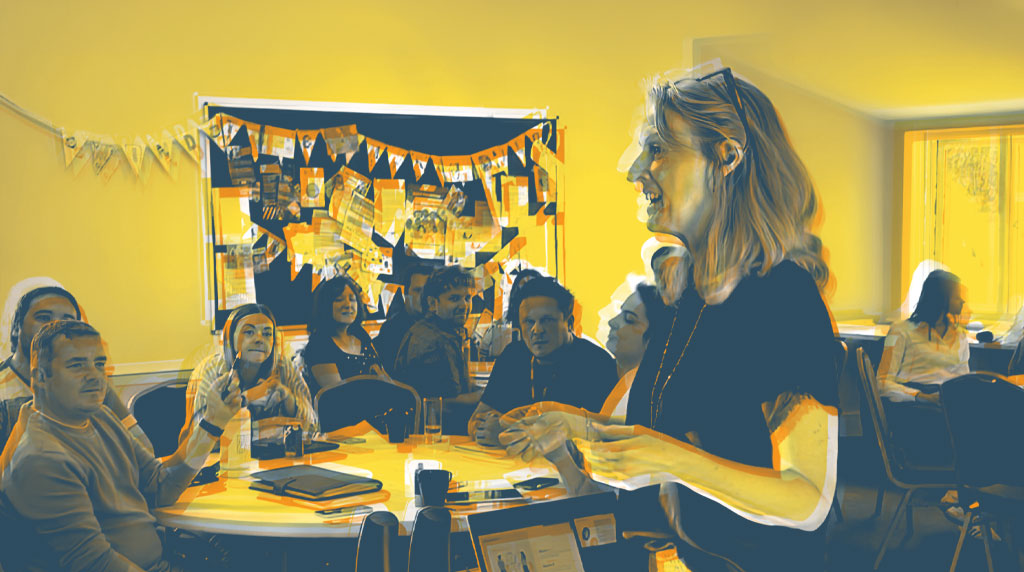
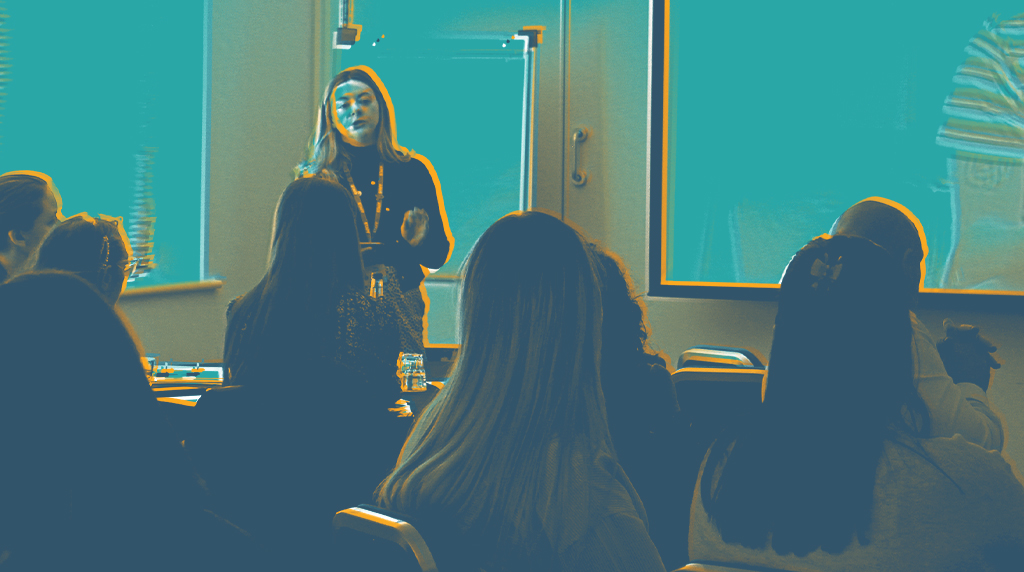
As the Centre of Excellence in self harm and suicide prevention, The Academy can help bridge this gap. Our bespoke training is designed around the needs of different workforces and organisations. We combine evidence, professional expertise, lived experience and practical learning to give people the tools they need to respond when it matters.
Our training can help organisations build:
- Suicide prevention skills
- Confidence to have difficult conversations
- Safer responses to risk
- Understanding of self-harm and suicide
- Safeguarding awareness
- Clearer pathways to support
- Staff resilience
- Workforce wellbeing
Because training should be more than information. It should leave people thinking:
‘I know what to do’.
‘I feel more confident having this conversation’.
‘I know when to ask for help’.
The opportunity
We cannot prevent suicide through training alone. But we can make sure that when someone reaches out, the person listening has the knowledge, confidence and practical tools to respond.
Suicide prevention happens in mental health services. But it also happens in communities, workplaces, schools, housing services, primary care and everyday conversations. The Academy is here to help bridge that gap – supporting organisations to build confident, resilient workforces with the skills to recognise distress, respond safely and potentially save lives.
To mark World Suicide Prevention Day (WSPD), The Academy at Harmless is offering 20% off selected half-day and full-day training courses when booked by 30th September 2026 (for delivery between January and March 2027).
The theme for WSPD 2026 is Changing the Narrative. For organisations, changing the narrative around suicide is about more than talking about suicide differently. It’s about changing how we recognise distress, how confidently we start conversations and how we respond when someone may be struggling.
The Academy at Harmless can help your organisation turn those conversations into action. Take advantage of our 20% discount offer now and make suicide prevention part of your plans for 2027.
Source: Office for Health Improvement and Disparities, Suicide in people with severe mental health problems, published 2 September 2026.