By Hayley Dallman (Researcher)
Please note: This article discusses personal experiences of self harm and discrimination in relation to sexual orientation.
There are many myths, misconceptions, and assumptions about bisexuality, many of which are still prevalent – particularly the idea that bi people are only attracted to two genders or that they can’t be in a monogamous relationship with one gender (lest they suddenly become gay or straight!)
What is Bisexuality?
As described by Stonewall, Bisexuality or ‘Bi’ is an umbrella term used to describe a romantic and/or sexual orientation towards more than one gender. Bi people may describe themselves using one or more of a wide variety of terms, including – but not limited to – bisexual, pan or queer.
Bi Visibility Day
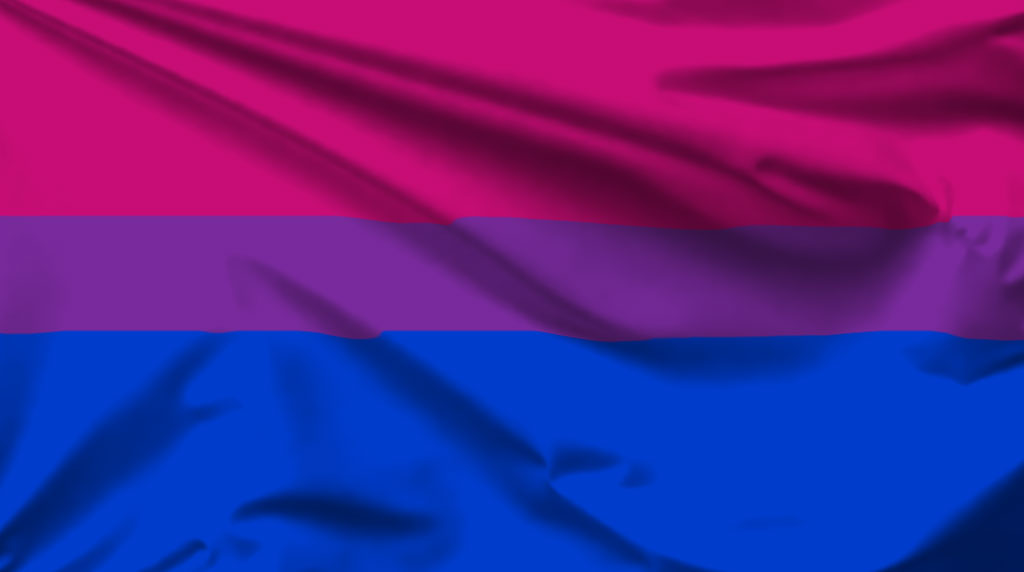
23rd September is Bi Visibility Day or Celebrate Bisexuality Day, an annual celebration that highlights bisexuality and bisexual erasure. This day is important for so many reasons – particularly as bisexual people continue to face biphobia, discrimination, and bi erasure. This can include the idea that bisexuality is just a ‘phase’, a lack of representation, and assumptions around sexuality as a binary concept – such as that people can only be attracted to one gender.
Many bi people can often feel as though they don’t belong, experiencing challenges both in and out of the wider LGBTQIA+ community. There is also the issue of the policing of bisexual identities, including the widespread myth mentioned above that bi people can’t be in a monogamous relationship with one gender.
My Experiences
Sexuality is unique for everyone – and so it’s important to not make assumptions in any situation. For me, bisexuality means an attraction to all genders. I’m in a monogamous relationship with a man, but that doesn’t mean that I am no longer bi! It is who I am, not something that changes in line with my relationship status.
I started to realise that I was bisexual at a relatively young age, in my early teenage years. There was a huge lack of awareness, representation and accurate information available then – with plenty of stereotypes and misconceptions in relation to bisexuality, not to mention for wider LGBTQIA+ identities. Section 28 wasn’t repealed until I was 8 years old and same-sex marriage wasn’t legal until I reached 19.
I spent a large part of my teenage years and early twenties struggling with my identity – reckoning with confusion, shame and guilt. I have faced misunderstandings, assumptions, and – at times – discrimination in healthcare, work and my personal life. I have had to explain myself and come out of the closet over and over again. That is why Bi Visibility Day is so important to me.
Self Harm and Suicide Prevention
Stonewall reports that bi people experience high rates of hate crime, sexual violence, bullying and exclusion in school as well as biphobia in and out of the LGBTQ+ community. Furthermore, the University of Manchester found that bisexual people are up to 4.5 times more likely to self harm over their lifetime, compared to heterosexual people.
I have my own personal journey with self harm. Coming to terms with my sexuality in a society that has not always been accepting undoubtedly fed into the wider challenges I was facing as a young person struggling with self harm.
Mental wellbeing, self harm and suicide prevention are significant issues for queer people – but help is out there and recovery is possible. Bisexual visibility, and wider queer liberation, has come a long way. However, there is still far to go, especially with recent attacks on trans+ rights and the increasing pervasiveness of far-right ideology. If you want to know more about ways to step up as an ally to bi people, please check out Stonewall’s guide here.
There are people fighting for the LGBTQIA+ community every step of the way and hope for the future is possible. Organisations like Harmless are here to celebrate LGBTQIA+ voices, support all members of our communities, and to represent hope for the future.
If you or someone you know is struggling with self harm or suicidal thoughts, support is available. You can contact Harmless and The Tomorrow Project during opening hours or make a referral via the button below. If you need immediate confidential support at any time of the day or night, please contact the Samaritans on 116 123, or text SHOUT to 85258.