By Božana (Training & Education Officer)
This week we are marking both International Refugee Week and World Refugee Day. As a former refugee, this time of year always brings a deep emotional wave, one that’s grown stronger in recent years with the wars unfolding all around the globe.
The heaviness in the world feels familiar, and while I don’t remember my own family’s escape, I have come to understand that I live with the consequences of that war every single day, emotionally, financially, and in the shape of my identity and sense of belonging, which I am still seeking. I was only 18 months old when we were forced to flee and I don’t remember the war, but I remember everything that came afterwards.
I remember being discriminated against as a child due to my nationality, I remember constantly being teased for having less than others. What people didn’t know is that my family once had a life they were proud of, a home they built themselves, horses and cows they raised, fields they lovingly tended to grow their food, forest where my mum and aunts spent their after-school time playing. Overnight, they lost everything. They had no time to say goodbye to their land or animals. They had to leave it all behind. What followed was not just a new place to live, but the quiet devastation that came after. There was poverty. There was shame. There was alcoholism. There was domestic violence. There was love, too, but it was buried beneath unspoken grief, trauma, and survival.
I couldn’t see the war, but I felt it in our walls, I carried it in my body. And now, as an adult, I see how displacement shaped my family, not just in where we lived and what we lost, but in how we loved, how we coped, and how we broke. For many of us who were displaced as children, or born into the aftermath of exile, the trauma doesn’t always live in vivid memories. It lives in the silence, the inherited pain.
War does not end with a ceasefire. It lingers in the bodies and minds of those who survive it, and in their children, and even grandchildren. The consequences stretch across decades, across generations. That’s why this conversation must go beyond politics. This is about humanity.
We must learn to recognise and respond to the quiet, lasting wounds of war. We must choose peace not just as an ideal, but as an act of care. We must support those who flee, not only when they arrive, but as they try to rebuild the lives that were stolen from them. To every refugee, past and present, young and older, your story matters. Even if you don’t remember it, like me, or if your memories are all too vivid.
You are not alone, and you deserve healing.
This Refugee Week (and every single day) let us remember: To take the side of peace is to take the side of people. And to choose humanity is always the right side of the history to be on.
That is why here at Harmless, we are here for everyone. We are working tirelessly to support anyone who might be in crisis, but we recognise that there is always more we can all do. To ensure we continue to extend our reach, we are constantly developing new ways to assist communities. Keep an eye on our social media channels to find out more about our latest work to better support refugees and asylum seekers.
Reflections on Harmless’ 19th Anniversary
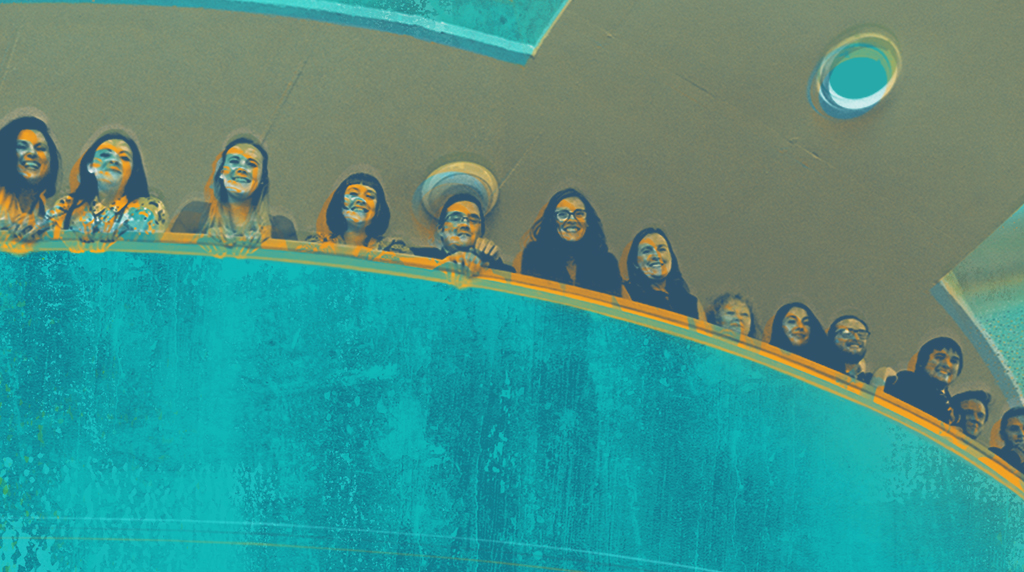
By Caroline Harroe (Harmless CEO) Nineteen years ago, Harmless was born not out of a grand corporate strategy, but out