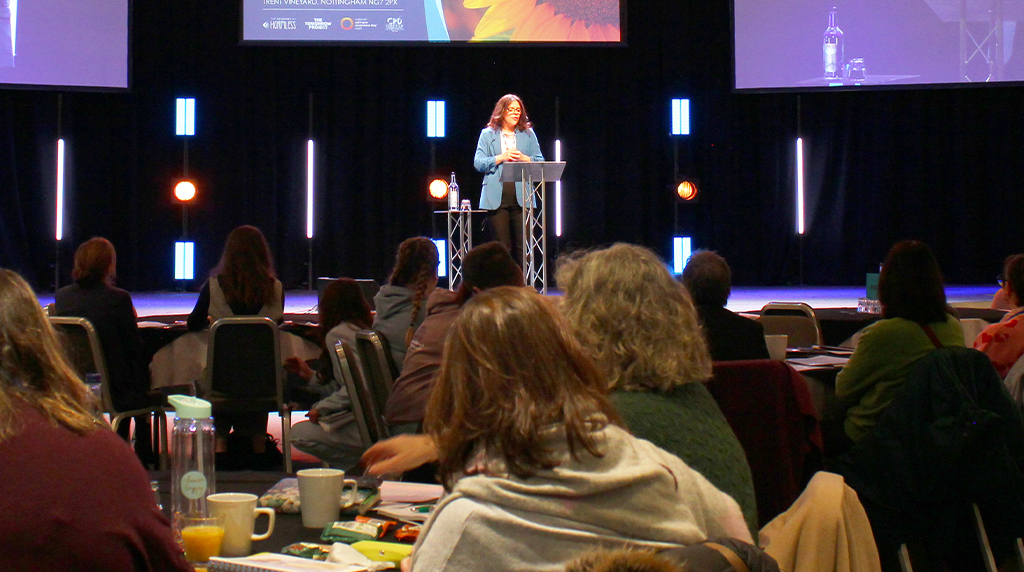
By Caroline Harroe (Harmless CEO)
There’s a picture in my head, vivid as a bad dream, from my early 20s. I was at a bustling house party, music thumping, laughter echoing, surrounded by what felt like a hundred people. I remember standing by the buffet table, pretending to be utterly captivated by a bowl of suspiciously lumpy dip, while inside, my chest felt hollowed out, and a silent scream bounced around my skull: ‘I am so utterly, completely alone’.
Fast forward two decades and you might find me blissfully alone on a quiet Saturday, curled up with a book, a cup of tea, and my dog snoring gently beside me. Here, solitude is a balm, a deeply necessary reset. It’s a choice, a comfort.
The paradox of human connection, or the lack thereof, is that these two scenarios – the party and the quiet Saturday – both touch on loneliness, yet they are profoundly different beasts. We often conflate being alone with feeling lonely, but they are distinct experiences, each with its own psychological toll. Understanding the difference isn’t just academic; it’s a crucial step in navigating our own emotional landscapes with more compassion and wisdom.
Loneliness Type 1: The ‘Actually Alone’ Kind (The Quiet Echo)
This is the form of loneliness we most readily picture: sitting by yourself, no one else around. It’s often born from circumstance – a move to a new city, the end of a relationship, working remotely, or simply living alone.
The Psychological Toll
When this kind of loneliness becomes chronic, it’s not just about missing company; it’s about a fundamental human need for connection going unmet. Think of it like thirst or hunger – a biological signal that something vital is missing.
- Erosion of Self-Worth
If you’re consistently alone, the insidious voice of self-doubt can creep in, whispering, ‘No one wants to be with you’. This isn’t usually true, but our brains, in their loneliness, can invent narratives to explain the absence, often landing on self-blame. My own experience after a big breakup left me feeling like a social pariah, even though I had friends who cared. The isolation convinced me otherwise. - Increased Anxiety and Depression
Humans are social creatures. Prolonged isolation can trigger our innate threat response. Our ancestors survived in tribes; being alone meant vulnerability. This ancient wiring can manifest as heightened anxiety, a feeling of unease, or a slide into depressive symptoms. The quiet stretches can become echo chambers for negative thoughts. - Physical Health Impacts
This might sound dramatic, but chronic loneliness is now recognised as a significant public health issue, impacting everything from cardiovascular health to immune function. It’s often compared to smoking 15 cigarettes a day. Our bodies, quite literally, suffer when our social needs aren’t met. - Loss of Social Skills
Just like any muscle, social skills atrophy without use. When you do get an opportunity to connect, you might find yourself feeling awkward, self-conscious, and hesitant, which then reinforces the desire to retreat further. It’s a cruel feedback loop.
Loneliness Type 2: The ‘Alone in a Crowd’ Kind (The Loud Silence)
This is often the more perplexing, and arguably more painful, form of loneliness. You are surrounded by people – at work, at a family gathering, at that aforementioned party with the lumpy dip – yet you feel profoundly disconnected, unseen, or misunderstood. It’s the feeling of being on a different wavelength, an alien observing human interactions.
I’ve been in meetings with 20 colleagues, all discussing a project I’m passionate about, and felt a chasm open between me and everyone else. It’s not about physical proximity; it’s about emotional distance.
The Psychological Toll
This type of loneliness, often called emotional loneliness or social isolation (even while present), carries a unique weight because it’s a betrayal of expectation. You should feel connected, but you don’t.
- Heightened Shame and Self-Blame
This is the big one. If you’re alone in your flat, you might blame circumstances. If you’re alone in a crowd, the immediate culprit your brain latches onto is you. ‘What’s wrong with me? Why can’t I connect? Why does everyone else seem to get it?’ The shame can be crippling, making it even harder to reach out. - Exhaustion from Masking
You might spend an enormous amount of energy pretending to be engaged, trying to mirror others’ emotions, or crafting a facade of normalcy. This ‘masking’ is incredibly draining, leading to burnout and further retreat once you’re finally alone. The party experience? That was 100% masking, and it left me more depleted than a week of actual solitude. - Increased Cynicism and Mistrust
When you repeatedly try to connect and feel unseen, you might start to develop a protective shell of cynicism. You might conclude that people are inherently superficial, or that genuine connection isn’t possible, making you less likely to attempt it in the future. - Amplified Feelings of Otherness
This loneliness reinforces the idea that you are fundamentally different from everyone else. This sense of ‘otherness’ can be profoundly isolating, making you question your place in the world and whether you truly belong anywhere.
Navigating the Landscape: From Solitude to Connection
Understanding these distinctions is the first step towards healing.
- If you’re experiencing the ‘Actually Alone’ kind
Your strategy needs to focus on proactive connection. Join a club, volunteer, take a class, reconnect with old friends, or embrace online communities that share your interests. The challenge here is the initial leap, but the rewards of genuine social engagement are immense. - If you’re experiencing the ‘Alone in a Crowd’ kind
Your work is often more internal, focusing on vulnerability and authenticity. This means daring to show up as your real self, even if it feels scary. It’s about finding one or two people with whom you can truly be seen, even if it’s just telling a colleague, ‘I’m feeling a bit overwhelmed today’. It’s also about radical self-acceptance: recognising that not everyone will ‘get’ you, and that’s okay. Your worth isn’t dictated by universal approval.
Loneliness, in all its forms, is a human experience. It’s not a flaw in you; it’s a signal. And like any signal, once we understand what it’s trying to tell us, we can begin to respond to it with wisdom, courage, and a whole lot of self-compassion.
Remember, the goal isn’t to be constantly surrounded by people, but to cultivate meaningful connection – whether that means cherishing your chosen solitude or finding your tribe in a noisy world.