By Vicky Lott (Training and Education Officer)
I’m currently living in my 60th year. Having lived solo for a decade, I possess many of the risk factors for loneliness: my age, being single, working from home and living rurally. Yet, there is a quiet irony in the fact that I feel less lonely now than during the more connected years of my life.
In my 20s and 30s I navigated the loneliness of being a mother. Despite being surrounded by the chatter and laughter of small children there’s a unique loss of identity experienced by many parents. You become an extension of your children and lose the person you struggled and fought to become in your teenage years. There’s the sting of the school gate hierarchies where you realise that being present doesn’t always equate to being included and the struggle to fit in rears its head as it did back in your own school days.
By my mid-30s, isolation intensified. Navigating a divorce while friends remained happily coupled felt like I was alone once more surrounded by the whispers of judgement from those I thought knew me better. The loneliness of not being seen is acute; being physically present, surrounded by others but not being seen emotionally for who you really are, is an intense feeling of aloneness felt by many at all stages of life.
In those early days, most connections required the physical act of a phone call or a knock at the door. Then the digital age promised a cure. We could transcend physical distance, connecting with others from all over the world who shared our inner thoughts and beliefs, and who had experienced the same pain and isolation. We no longer needed to feel lonely.
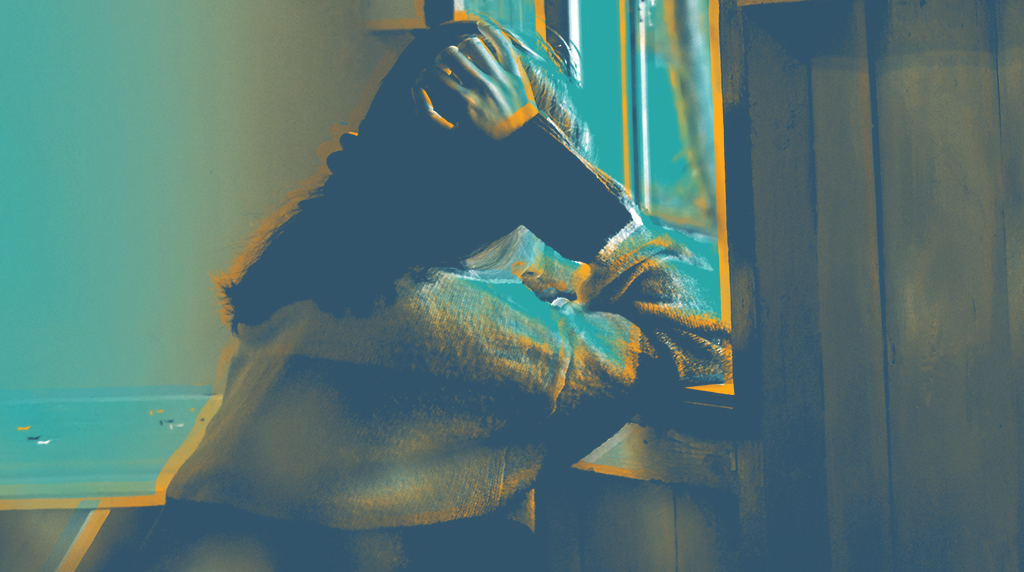
Yet, we find ourselves in an epidemic of loneliness once more. If we are so connected, why does the weight of social isolation feel more crushing than ever? Why is the nervous system still reacting as if it is starved of true human contact? While we hide ourselves away connecting with others via a screen, we are starving ourselves of physical touch. Our bodies descend into a state of stress and we become anxious and depressed, our cortisol levels rise and our immune system depletes. These connections aren’t soothing to our souls.
It took a global pandemic for many to recognise the reality of what being alone means. I suddenly had friends offering socially distanced walks because they feared for my isolation. The irony was that I had been adapting to that reality for years. I navigated lockdown with practiced ease, only to feel the familiar emotional numbing return once the world retreated back to their families and busy lives, leaving me once again in silence. Three years ago, I left the life I’d spent over 50 years building, because it just wasn’t working for me. I was exchanging dozens of messages daily, yet I saw no one and no one truly saw me.
Relocating across the country to a place where I possessed zero connections felt inherently counter-intuitive, yet I was already feeling alone and isolated so didn’t feel I had much to lose. I gambled on the idea that stripping away my comfort zone would shock my nervous system into seeking new connections. Now, nestled in a village on the edge of Exmoor, as rural a place as remains in our expanding population, my experiment has worked. In those early days, I physically forced myself into the local pub alone; I attended fairs and fundraisers in solitude, joining every available group with the desperation of one who had nothing left to lose. To my surprise I was met with open arms, eventually becoming woven into the very fabric of the community. A simple five minute walk to the village shop now stretches to fifteen, punctuated by chatting to friends, neighbours and acquaintances on the way. Here, people make the deliberate effort to see one another, perhaps because we all carry the shared memory of that familiar sting of isolation.
A central pillar of our training courses here at Harmless explores the intersection of risk factors for poor mental health and the Five Ways to Wellbeing, where the most vital thread is CONNECTION. The act of weaving ourselves into the lives of others is a fundamental biological necessity for staying well. Being tethered to those who truly see and recognise our authentic selves nourishes the nervous system more effectively than almost any other life force. It can start with a simple smile or saying hello, a recognition that we’re all here experiencing this journey together.
In the depths of despair, the prospect of venturing beyond our comfort zones to seek new ties can feel like a crushing weight, yet we must recognise this as a universal vulnerability. There is no shame in acknowledging the sting of loneliness; it is a physiological response to a lack of genuine human contact which is something we all need. Loneliness can strike at all stages of life but learning to recognise and love the unique human you are gives you the strength to find the people who see that too.
___________________________________
You can find out more about our training via the button below.
If you or someone you know is struggling with isolation, self harm or suicidal thoughts, please reach out. You can make a referral via the button below.