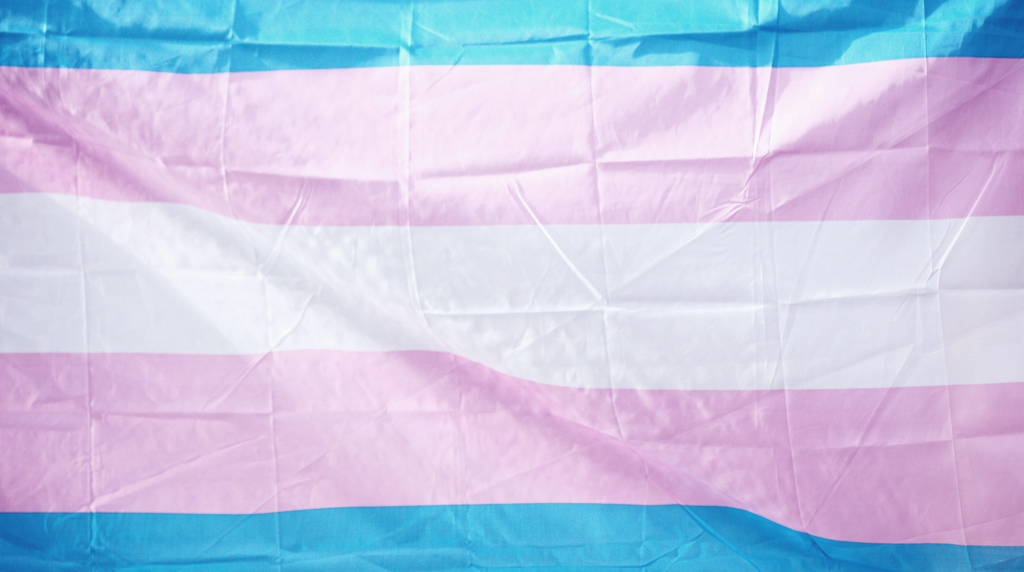
Transgender Awareness Week 2026
By Hayley Dallman (Researcher)
Please Note: This article discusses transphobia from the perspective of a cisgender ally, with a focus on raising awareness, understanding and support.
According to GLAAD, Transgender Awareness Week (November 13th–19th) seeks to increase public understanding of transgender people and highlight systemic challenges and discrimination. It leads up to the Transgender Day of Remembrance (TDOR) on November 20th, which honours those lost to transphobic hatred and violence.
Raising awareness, empathy and support for transgender people is vital every day, but these observances are especially crucial as transphobia, political hostility and attacks on trans rights escalate.
Attacks on Trans Rights
Since 2020, trans rights have faced relentless rollbacks. Transgender individuals are increasingly finding their bodily autonomy, human rights and very existence questioned, becoming targets of political debates, harassment and discrimination.
Good Law Project details a timeline of key setbacks, including the UK government abandoning plans to simplify legal gender recognition without a medical diagnosis, NHS bans on puberty blockers for under-16s, and delaying gender clinic appointments until age 18 following the Cass Review.
In 2025, a UK Supreme Court ruling held that ‘man’, ‘woman’ and ‘sex’ refer solely to biological sex at birth in the Equality Act 2010, weakening trans protections and access to spaces that align with trans peoples’ gender identity.
As reported by Gendered Intelligence, this has caused many trans people to withdraw from physical activity, education and healthcare out of fear of exclusion, fostering a culture of gender policing.
Furthermore, as Gendered Intelligence outlines, the Labour government’s revised Relationships and Sex Education (RSE) guidance for schools in England and Wales emphasises ‘biological sex’ and discourages the discussion of gender identity, further marginalising trans students.
In August 2026, as covered by Queer AF, the NHS indefinitely postponed all gender-affirming surgeries for adults under the Welsh Gender Service (WGS) with immediate effect, pending investigation. Many patients were notified of their surgery cancellations just days or even hours before their procedures – an unthinkable breach in healthcare standards.
Finally, NHS guidance released in October 2026, as reported by the Independent, mandates that trans patients be placed on wards based on ‘biological sex’, with any occurrences of trans patients placed on wards matching their gender identity to be recorded and reported nationally as breaches of guidance.
Trans Experiences and Healthcare Realities
These legal and social shifts have fuelled harmful misconceptions surrounding trans people and their experiences. In reality, navigating medical and legal transition in the UK is fraught with obstacles.
Accessing gender-affirming care through the NHS is arduous and lengthy. According to Queer AF, the average wait time for a first gender clinic appointment is 12 years. Some areas like Glasgow face waits of up to 224 years. Consequently, many trans individuals (who can afford to) seek costly private healthcare options simply to access vital medical support.
Updating identity markers on legal documents is equally rigorous. Legal recognition requires a Gender Recognition Certificate – demanding psychiatric diagnoses, proof of living in one’s gender for two years, approval from an anonymous panel and even spousal consent if married. Notably, non-binary individuals remain unrepresented under current UK law.
Socially, trans individuals face daily discrimination. Research from Stonewall notes: 51% of trans people hide their identity at work, 48% avoid public bathrooms, and 41% report healthcare staff lack basic understanding of trans health needs.
Mental Health, Self Harm and Suicide
Given the intense societal and political hostility, and failing NHS healthcare provision, it is unsurprising that a significant proportion of transgender individuals experience mental health challenges, particularly around self harm and suicidality.
Data cited by Good Law Project reveals trans people account for 7% of child suicides despite representing only around 1% of the population. Nearly half (46%) of trans people surveyed had considered taking their own life in the previous year, and 41% of non-binary individuals have self harmed. Furthermore, here at Harmless, trans individuals account for 6% of referrals to our crisis support services – an alarmingly high proportion, given that trans people are estimated to make up just 0.5–1% of the wider population.
Navigating a hostile climate can make seeking help intimidating, but compassionate and inclusive support is available. Organisations like Harmless and The Tomorrow Project provide trans-inclusive, dedicated, non-judgmental support services for self harm, suicide prevention and suicide bereavement.
Looking Ahead and Practicing Allyship
Despite these challenges, resilience and community remain vital. As Gendered Intelligence emphasises, living authentically, building community and staying connected are crucial.
Transgender rights are human rights. Meaningful allyship involves active education, standing against transphobia and advocating for inclusive workplaces, schools and healthcare.
To learn more about being an effective ally to the transgender community, please visit GLAAD’s website.
_________________________________________________________
If you or someone you know is struggling with self harm or suicidal thoughts, support is available. You can contact Harmless and The Tomorrow Project during opening hours or make a referral via the button below.
If you need immediate confidential support at any time of the day or night, please contact the Samaritans on 116 123, or text SHOUT to 85258.